
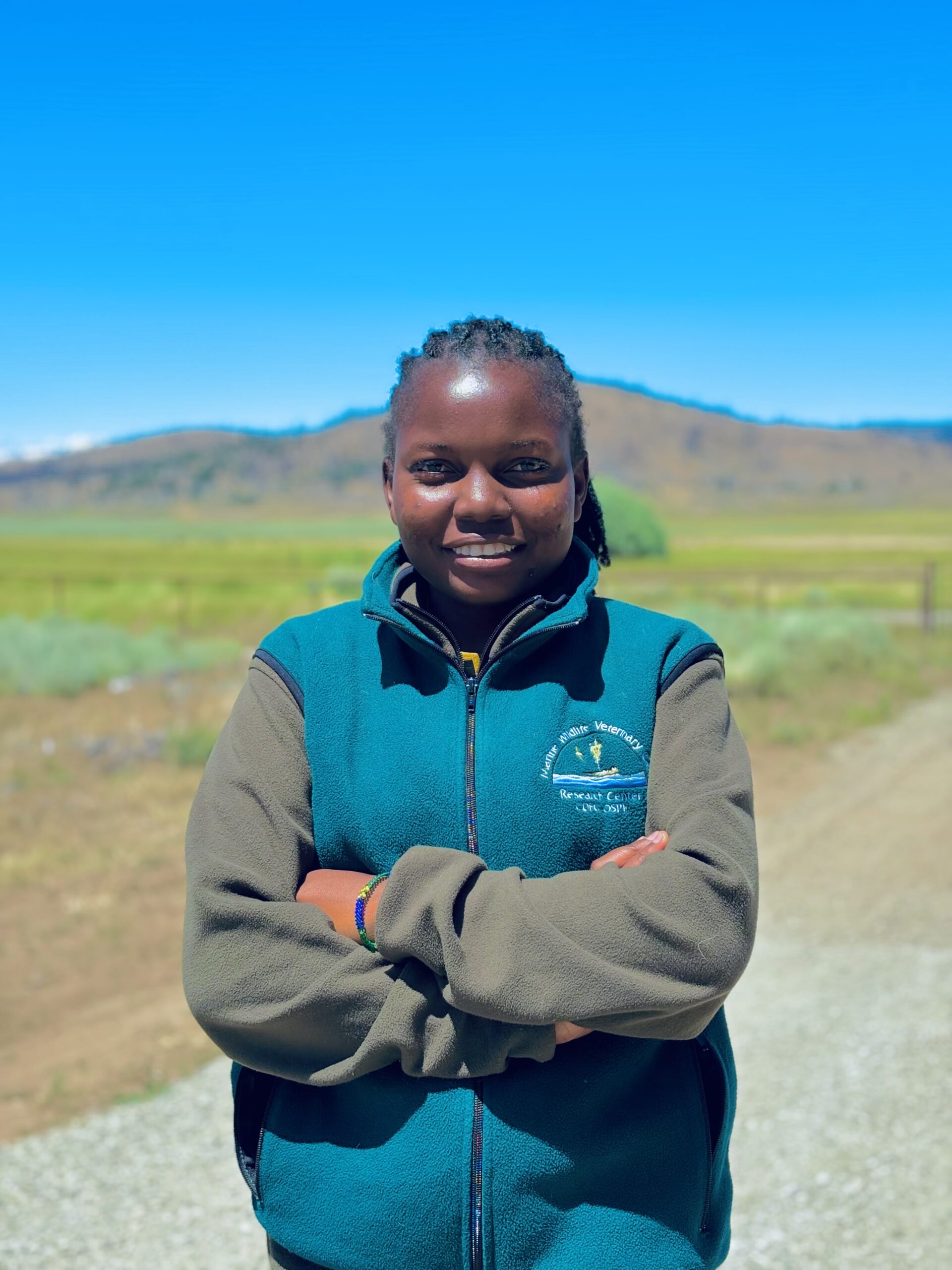
Ines Machelle
- Country of Origin: Tanzania
- Home University: Tanzania National Park
- Host University & Country: University of Glasgow - United Kingdom
- PhD Title: Integrating One Health approaches to enhance Anthrax surveillance, vaccine interventions, and model vaccine efficacy at the human-livestock-wildlife interface in Tanzania
- Year of Completion: 2029
PhD Overview
This research aims to investigate how integrated One Health approaches can strengthen anthrax surveillance, improve vaccine uptake and inform vaccine efficacy modelling at the human-livestock-wildlife interface in Tanzania. It will assess anthrax epidemiology, identify gaps in multisector surveillance systems, examine socioeconomic and institutional factors influencing livestock vaccination, and apply systems thinking and mathematical modelling to evaluate vaccination strategies. The research is expected to contribute to improved early disease detection, evidence-based and equitable vaccination interventions, stronger coordination among human, animal and environmental health sectors, and more effective anthrax prevention and control. The findings will support the protection of human health, livestock assets, wildlife populations and livelihoods, contributing to poverty reduction, food security and sustainable development in Tanzania.
Sustainability Goals
- Good Health and Well-being
- Life on Land
- Zero Hunger
About Me
I am an early-career wildlife veterinarian, with a background in veterinary medicine and specialized interests in molecular biology, One Health and conservation health, my work focuses on wildlife health, disease ecology and emerging and re-emerging zoonotic diseases at the human–livestock–wildlife interface. I am passionate about understanding the interconnectedness of human, animal and environmental health, particularly how disease threats affect wildlife conservation, public health and the livelihoods of vulnerable communities. My research interests Centre on advancing innovative approaches to disease detection, integrated surveillance, early warning systems and evidence-based interventions, including the application of molecular technologies and mathematical modelling. Through my research on anthrax in Tanzania, I aim to strengthen One Health surveillance, improve vaccine uptake and inform effective vaccination strategies.
My motivation stems from the recognition that protecting animal health is not only essential for biodiversity conservation but also fundamental to safeguarding human health, food security and sustainable livelihoods. I aspire to contribute to science-driven conservation, stronger cross-sectoral collaboration and sustainable One Health solutions that benefit people, animals and ecosystems.